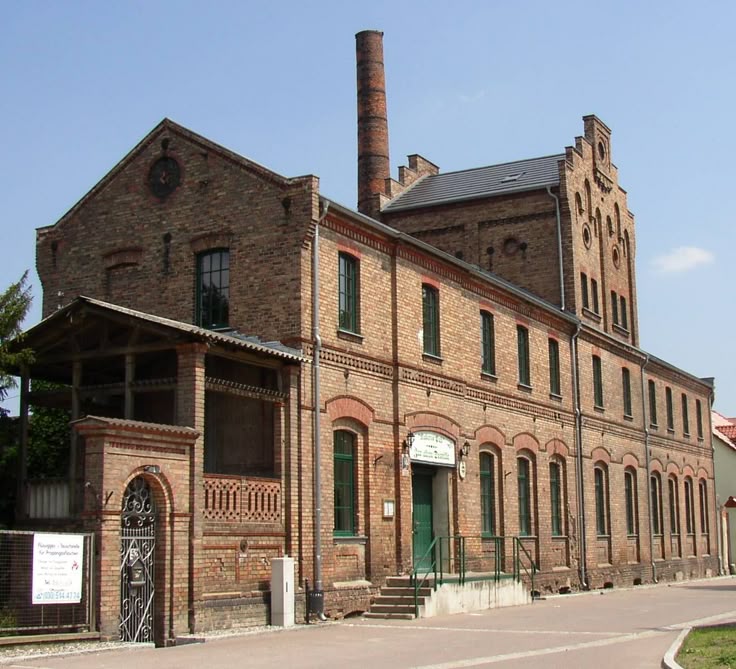
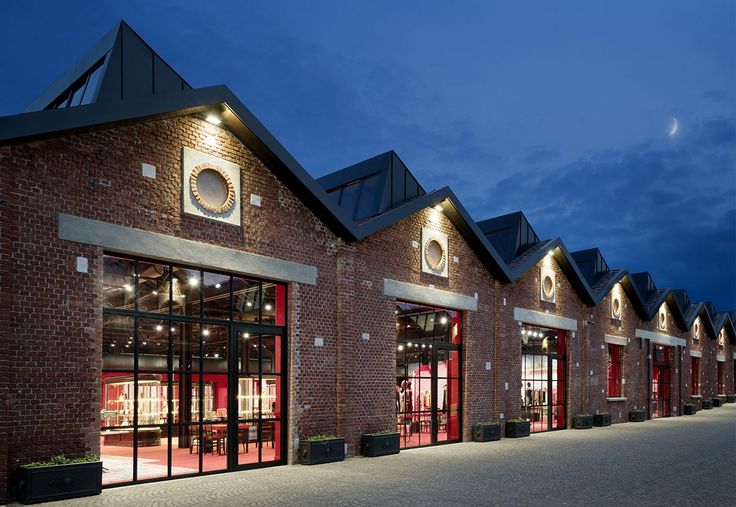
Industrial assets in the 15,000–120,000 SF range continue to be one of the most compelling segments for investors—and two markets that exemplify this opportunity right now are Buffalo and Syracuse. Both cities sit at the nexus of affordability, logistics accessibility, and a manufacturing resurgence that’s reshaping the Northeast. As someone responsible for sourcing and evaluating deals at Commercial GRP, I’ve seen firsthand how this segment aligns perfectly with our disciplined buy box and long-term value thesis.
Below is a strategic breakdown of why these markets stand out, how we assess opportunities through our core values, and what investors should be paying attention to.
1. Strong Logistics Positioning Without Oversized Price Tags
Buffalo and Syracuse benefit from enviable geographic positioning—direct access to major interstates, rail, and cross-border commerce—without the cost premiums found in larger Northeast metros.
For users needing practical distribution footprints (not 300,000+ SF behemoths), the 15K–120K SF range offers:
Faster occupancy
Lower operating expenses
More flexible space for last-mile, service-industrial, and light manufacturing
Better adaptability to tenant-specific layouts
This aligns with our Motivated & Committed sourcing strategy: prioritizing markets where tenant demand is durable and where efficient space still trades at numbers that make sense.
2. Manufacturing Momentum Is Creating Real Tenant Demand
The resurgence of advanced manufacturing, logistics, and regional supply-chain tightening is particularly visible across Western and Central New York.
We’ve observed increasing demand from:
Specialty manufacturers seeking 20K–80K SF footprints
Trade-service and fabrication businesses upgrading from outdated properties
Logistics operators needing satellite distribution hubs
Regionally expanding companies relocating from higher-cost states
These tenants often prefer buildings in the 30–100K SF range—large enough for production and storage, small enough to manage efficiently. This creates stable leasing fundamentals and reduces vacancy risk, a core pillar of our acquisition strategy.
3. Undersupplied but Affordable Inventory Creates Opportunity
Unlike markets where industrial construction has surged, Buffalo and Syracuse have limited new supply coming online—especially in the mid-size range. The existing stock is older, but that’s where our Self-Reliant & Detail-Oriented evaluation process matters.
Older buildings often present opportunities to:
Improve loading infrastructure
Upgrade mechanical systems
Enhance energy efficiency
Modernize office components
These improvements not only elevate asset value but also strengthen the local business ecosystem—a direct tie to our Core Focus: acquisitions that transform communities and improve lives.
4. High Cap Rate Spread Relative to Construction Costs
Replacement cost matters, and the math in these markets works.
In many Northeast metros, cap rate compression has pushed pricing below new construction costs. Not Buffalo and Syracuse. Here, mid-size industrial often trades at a meaningful discount to replacement cost—even after factoring in renovations.
This reinforces our value-driven approach grounded in Honesty and Integrity: we pursue deals where the underlying economics justify the investment, without overreliance on aggressive rent growth or speculative assumptions.
5. Flexible Zoning and Municipal Support for Industrial Revitalization
Both cities are actively encouraging industrial redevelopment—through tax incentives, grants, and business attraction programs. This enables us to work collaboratively with local stakeholders and maintain Outstanding Communication with investors regarding:
timelines
permitting pathways
projected capital plans
the community impact of each project
The result: clearer visibility, smoother operations, and a more resilient investment thesis.
Where Commercial GRP Sees the Most Potential
Based on our ongoing sourcing pipeline, we are finding the strongest opportunities in:
20K–60K SF manufacturing buildings with functional layouts
60K–120K SF light industrial near major interstate corridors
Conversion-ready flex spaces that benefit from targeted mechanical or loading upgrades
Well-located service-industrial properties with expansion potential
These assets fit our buy box not only from a financial standpoint, but from an impact perspective—they support middle-market companies, create regional jobs, and fortify supply chains.
Final Thoughts
Buffalo and Syracuse represent a rare combination of affordability, logistics strength, and authentic industrial demand—particularly in the 15K–120K SF segment. When we evaluate assets in these markets, we bring the same disciplined, transparent, and integrity-driven framework that guides every acquisition at Commercial GRP.
If you’re an investor looking to deploy capital into resilient industrial markets with strong fundamentals, I would welcome a conversation.
→ Connect with Commercial GRP to discuss current and upcoming acquisition opportunities.
want to meet in person?
Find us in our offices at 20 Park Plaza, Boston, MA 02116