Understanding Risk-Adjusted Returns in Industrial Real Estate
In real estate investing, returns are only part of the story. What truly matters is how much risk is taken to achieve those returns.
That’s where the concept of risk-adjusted returns comes in — a more complete way to evaluate investment performance by balancing potential upside with the level of uncertainty involved.
At CommercialGRP, this principle is central to how we evaluate opportunities, structure deals, and build long-term partnerships with investors.
What Are Risk-Adjusted Returns?
At its core, risk-adjusted return measures how efficiently an investment generates returns relative to the risks it carries.
Two opportunities might offer similar projected returns — but if one carries significantly less risk, it’s often the stronger investment.
In industrial real estate, risk can come from several factors:
Market volatility
Tenant stability
Property condition and functionality
Lease structure and rollover exposure
Location-specific demand drivers
Understanding these variables allows investors to make more informed, strategic decisions.
Why Industrial Real Estate Stands Out
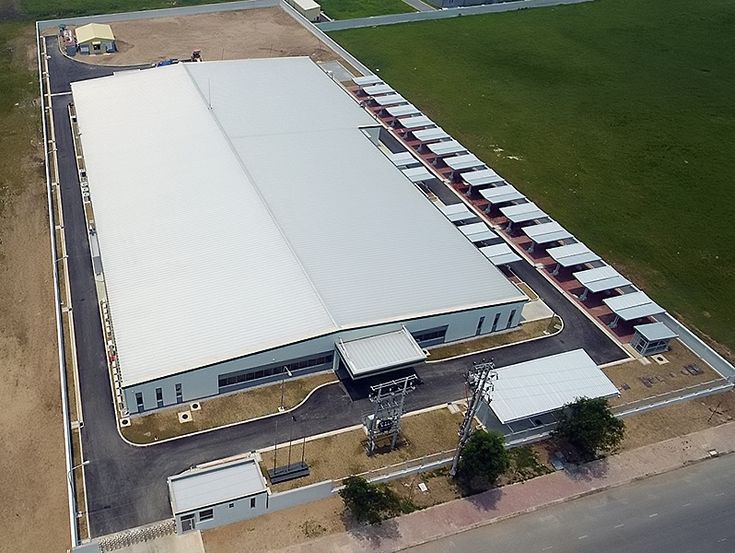
Industrial assets — particularly within the 15,000 to 120,000 square foot range — tend to offer a compelling balance between risk and return.
This is driven by:
Consistent demand tied to logistics and supply chains
Broad tenant base across multiple industries
Flexible building configurations
Relatively lower volatility compared to other asset classes
These characteristics contribute to stable income and long-term appreciation, making industrial real estate a strong candidate for risk-conscious investors.
To evaluate risk-adjusted returns effectively, it’s important to look beyond headline numbers and understand what drives performance.
1. Location and Market Fundamentals
Strong submarkets with growing demand, infrastructure access, and limited supply tend to reduce risk and support long-term value.
2. Tenant Profile and Lease Structure
Creditworthy tenants and well-structured leases provide more predictable cash flow, while short-term leases or vacancy exposure may increase uncertainty.
3. Physical Characteristics of the Asset
Functional buildings — with features like appropriate clear height, loading capacity, and accessibility — are more adaptable to tenant needs and less likely to become obsolete.
4. Value-Add Potential
Opportunities to improve operations, increase occupancy, or enhance the property can create upside — but they also require careful execution and disciplined planning.
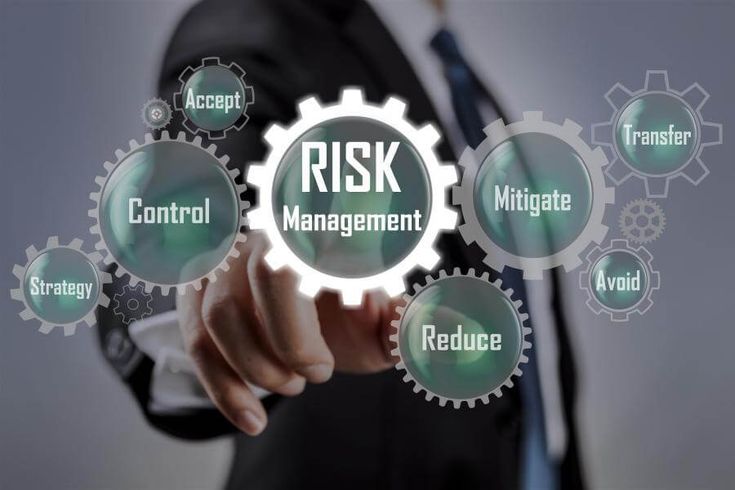
Achieving strong risk-adjusted returns isn’t about avoiding risk entirely — it’s about understanding it, pricing it correctly, and managing it effectively.
At CommercialGRP, we approach every opportunity with:
Thorough due diligence and market research
Conservative underwriting assumptions
Attention to detail at both the property and submarket level
A clear plan for stabilization and value creation
This disciplined process helps ensure that each acquisition aligns with both return objectives and risk tolerance.
Transparency as a Key Part of Risk Management
One of the most important — and often overlooked — aspects of risk management is communication.
Investors should have a clear understanding of:
How a deal is being evaluated
What assumptions are being made
Where potential risks exist
How those risks will be addressed
At CommercialGRP, we prioritize transparent, consistent communication throughout every stage of the investment lifecycle.
Risk-adjusted returns aren’t just about financial performance — they’re also about sustainability and long-term value creation.
Many of the industrial and retail assets we acquire involve repositioning underutilized properties into productive spaces that support local businesses and economic activity.
By combining disciplined investment strategies with thoughtful execution, we aim to deliver returns that are both financially sound and community-focused.
A Smarter Way to Evaluate Opportunities
For investors, understanding risk-adjusted returns provides a clearer framework for evaluating opportunities and building resilient portfolios.
Rather than focusing solely on projected returns, this approach encourages a more balanced view — one that considers stability, consistency, and long-term performance.
Let’s Build With Clarity
If you’re an investor looking to better understand how risk and return come together in industrial real estate, or a broker with opportunities that align with a disciplined investment approach, we’d welcome the opportunity to connect.
At CommercialGRP, we believe that strong investments are built on clarity, transparency, and thoughtful execution.