What Is Industrial Real Estate and Why Is Demand Still Strong?
In the fast-paced world of commercial real estate, industrial properties have emerged as one of the most resilient and in-demand asset classes in recent years. But what exactly is industrial real estate, and why is demand for it continuing to grow—even in uncertain economic times?
What Is Industrial Real Estate?
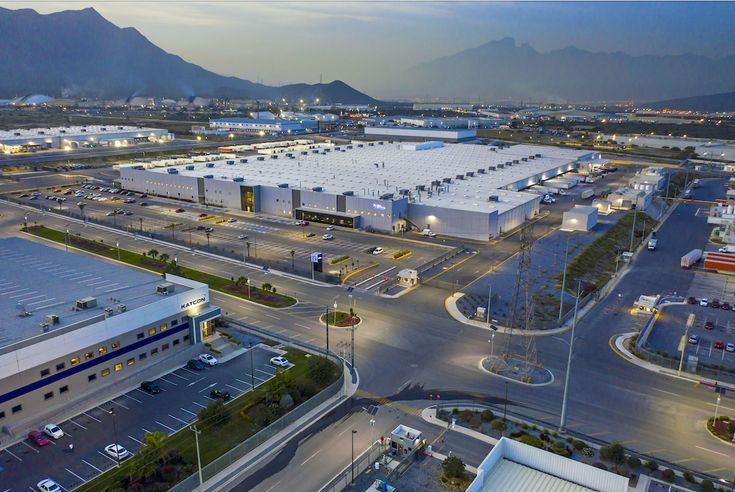
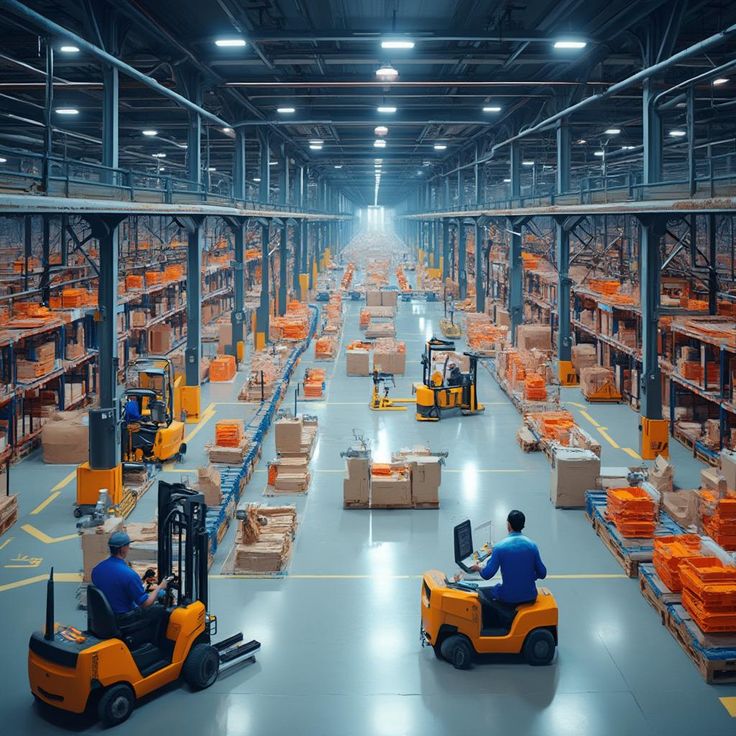
Industrial real estate refers to properties used for industrial activities such as manufacturing, production, assembly, storage, warehousing, and distribution. These properties are typically located in industrial parks or near major transportation hubs like highways, rail lines, ports, or airports.
The main categories of industrial real estate include:
Warehouses and Distribution Centers: Facilities used for storing and shipping goods. Think Amazon fulfillment centers.
Manufacturing Facilities: Spaces where goods are produced or assembled.
Flex Spaces: Properties that combine industrial use with office or showroom space.
Cold Storage Facilities: Temperature-controlled buildings for perishable goods.
Heavy Industrial: Large-scale plants or factories with specialized equipment and infrastructure.
Why Is Demand for Industrial Real Estate Still Strong?
Several macroeconomic and structural trends are fueling ongoing demand:
1. E-Commerce Growth
The rise of e-commerce has been a game-changer for industrial real estate. Online retailers and third-party logistics companies require vast networks of distribution centers to store and ship goods quickly.
In the U.S. alone, every $1 billion in e-commerce sales translates to an estimated 1.25 million square feet of warehouse space.
Major players like Amazon, Walmart, and FedEx continue expanding their industrial footprints to meet consumer expectations for fast delivery.
2. Onshoring and Nearshoring
Global supply chain disruptions—exacerbated by the COVID-19 pandemic and geopolitical tensions—have led many companies to rethink their logistics strategies.
U.S. manufacturers are increasingly bringing production back to North America (onshoring) or moving it closer to home (nearshoring).
This shift increases demand for manufacturing space, especially in industrial hubs across the Midwest, Southeast, and Mexico-border regions.
3. Supply Chain Diversification
To reduce risk, companies are moving away from “just-in-time” inventory systems toward “just-in-case” models, meaning they are storing more products closer to end customers.
The need for additional inventory storage has increased demand for bulk warehouses and last-mile delivery facilities.
4. Infrastructure Investment
Federal investment in infrastructure—like the U.S. Infrastructure Investment and Jobs Act—is making it easier and more attractive to build and operate industrial properties.
Improvements in roads, railways, ports, and energy systems help industrial tenants operate more efficiently.
Municipalities are also incentivizing industrial development to spur job creation.
5. Low Vacancy Rates and Rising Rents
In many markets across the U.S., industrial vacancy rates remain below 5%, while rents continue to rise year-over-year.
For investors, this creates strong cash flow opportunities and favorable lease terms.
Tenants are willing to pay more for well-located, modern facilities with access to labor and logistics networks.
Is Now a Good Time to Invest?
Despite rising interest rates and inflation concerns, industrial real estate remains one of the top-performing commercial sectors. Key advantages for investors include:
Long-term leases with creditworthy tenants
Lower maintenance costs compared to other CRE asset types
Strong fundamentals driven by global logistics shifts
Increasing institutional interest and liquidity
Final Thoughts
Industrial real estate has evolved from a niche asset class into a cornerstone of the global economy. As businesses adapt to new retail, supply chain, and manufacturing realities, demand for industrial space is likely to remain strong.
Whether you’re an investor, broker, or business owner, keeping a close eye on industrial trends can lead to strategic advantages—and profitable opportunities—in the years ahead.
want to meet in person?
Find us in our offices at 20 Park Plaza, Boston, MA 02116