In my day-to-day conversations with brokers and investors, one question comes up consistently: Where can you find the strongest risk-adjusted returns today — industrial, retail, or office?
It’s a smart question. Each asset class has its place, its cycle, and its strategic role in a diversified portfolio. But in today’s market, evaluating ROI goes far beyond comparing cap rates. It requires understanding income stability, tenant demand, operational complexity, and long-term value creation.
From my perspective working closely with partners and transactions, here’s how these sectors compare right now.
ROI Is More Than the Initial Yield
Sophisticated investors don’t look at return as a single number. They evaluate the full picture:
How predictable is the cash flow?
How durable is tenant demand?
What level of capital investment will be required?
How complex will the asset be to operate?
What is the long-term appreciation potential?
At CommercialGRP, we focus on opportunities that perform consistently in real-world conditions — not just on paper
Industrial: Today’s Benchmark for Stability
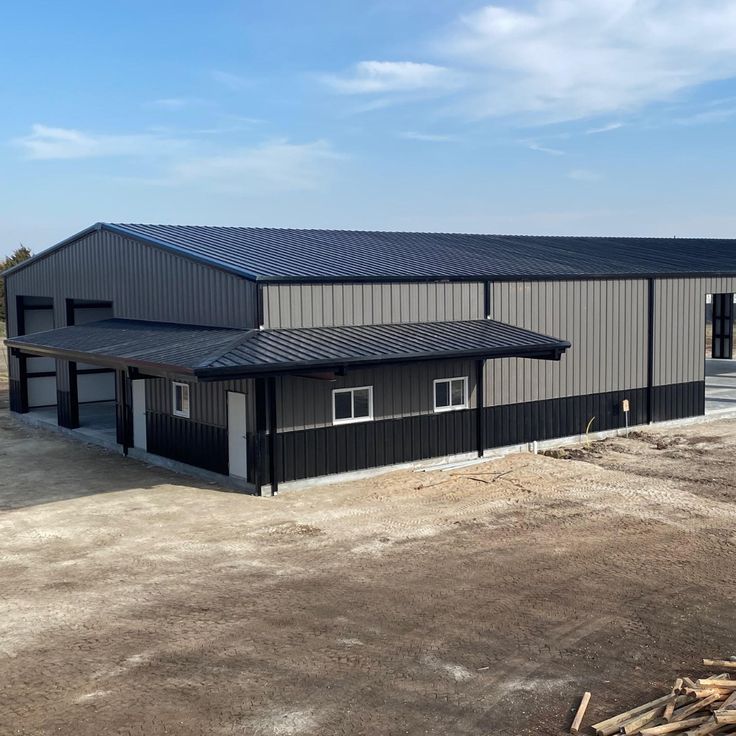
Industrial real estate has become the standard for reliable, predictable returns.
The reason is straightforward. Structural demand continues to grow due to e-commerce expansion, supply chain restructuring, and ongoing logistics needs. These forces create a strong foundation for stable occupancy and steady income.
Operationally, industrial properties also tend to be more efficient. Leases are often longer, maintenance requirements are manageable, and tenant turnover is typically lower.
For investors, this translates into something highly valuable: predictability.
Our strategy specifically targets industrial assets between 15,000 and 120,000 square feet — a segment with strong local demand, less institutional competition, and meaningful opportunities to create value.
Retail: Strong Returns When Selected Strategically
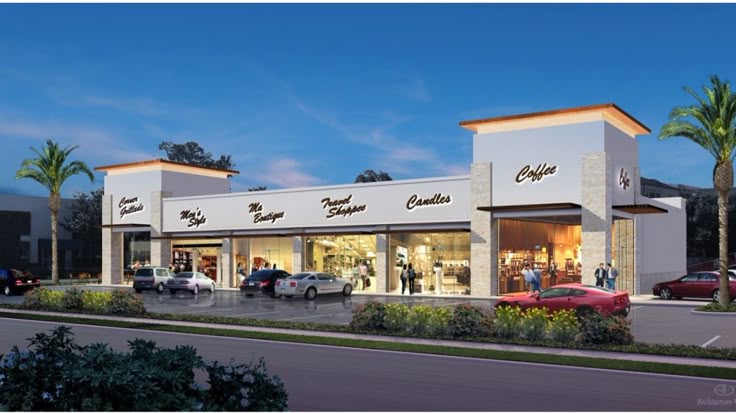
Retail is not a single category. Performance varies significantly based on location, tenant mix, and community relevance.
Service-oriented retail — such as grocery-anchored centers, healthcare providers, and essential neighborhood businesses — can deliver attractive returns and consistent traffic.
These assets often offer higher initial yields than industrial properties, but success depends heavily on careful tenant selection and disciplined asset management.
That’s where experience matters. We focus on retail properties that serve a clear purpose within their communities and have a defined path for long-term stability.
Office: Higher Uncertainty in the Current Cycle
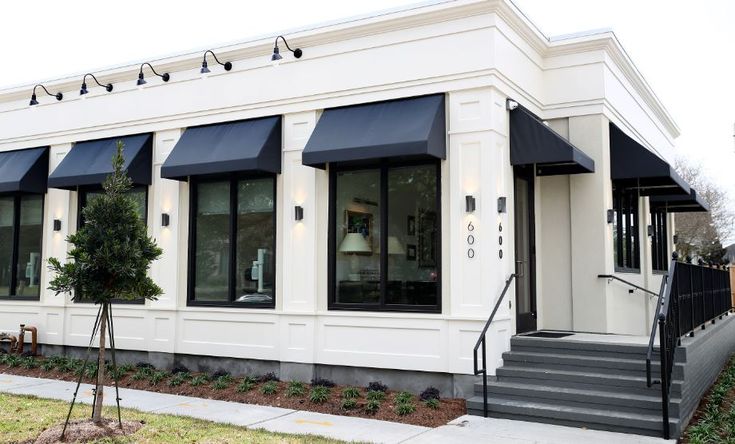
Office properties currently face the greatest challenges.
Shifts in workplace dynamics have reduced demand in many markets, leading to higher vacancy rates, increased capital requirements, and longer recovery timelines.
While opportunities can exist in select cases, they typically require specialized strategies and a higher tolerance for volatility.
For this reason, we remain focused on sectors where demand drivers are more durable and predictable.
The Human Factor Behind Strong Returns
One element that often gets overlooked is how relationships directly impact investment outcomes.
In my role, I see firsthand how transparent communication, proactive collaboration, and mutual trust can significantly influence deal success.
When brokers, investors, and operators are aligned, transactions move more smoothly, risks are addressed earlier, and opportunities are executed with greater precision.
These principles reflect our core values: commitment, clear communication, attention to detail, and unwavering integrity.
Returns That Also Create Impact
For us, the best ROI is not purely financial.
The most meaningful investments are those that:
Revitalize underutilized properties
Create local jobs
Support small businesses
Strengthen surrounding communities
That’s at the heart of our mission: transforming communities while delivering sustainable value for our partners.
Let’s Build Opportunities Together
If you’re a broker with opportunities that fit our industrial or retail focus, I’d welcome the chance to connect. And if you’re an investor seeking stable returns with real-world impact, I’d be glad to start a conversation.
The strongest investments are built on trusted relationships, open communication, and a shared vision.