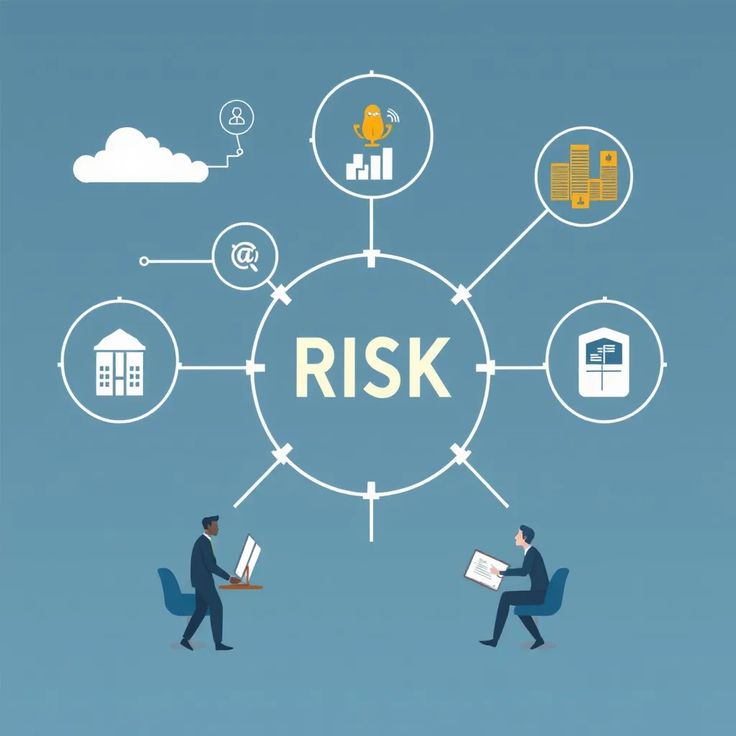
Risk is unavoidable in commercial real estate—but unmanaged risk is optional.
At CommercialGRP, my responsibility is to lead the sourcing and evaluation of industrial and retail acquisitions across New England, with a specific focus on industrial assets between 15,000 and 120,000 square feet. In markets like Massachusetts, Rhode Island, and Connecticut, risk doesn’t just show up in underwriting assumptions—it’s embedded in zoning, infrastructure, tenant durability, and execution timelines.
Our approach is disciplined, analytical, and grounded in transparency. We don’t chase volume. We focus on repeatable fundamentals that create durable value for investors and measurable improvements for the communities where we operate.
Below are the primary risk categories we evaluate before capital is committed—and how we mitigate them.
1. Market and Micro-Location Risk
New England is not a single market—it’s a collection of highly localized submarkets with different labor dynamics, transportation access, and tenant demand drivers.
We analyze:
Proximity to highways, ports, and last-mile logistics corridors
Local vacancy trends at the submarket level
Replacement cost vs. basis risk
Barriers to entry, including zoning and land scarcity
Industrial assets that sit in functional locations—near population centers and infrastructure—tend to outperform through cycles. This discipline keeps us aligned with our buy box while ensuring long-term relevance of the asset.
2. Physical Asset and Infrastructure Risk
Older industrial properties dominate much of New England’s inventory. That creates opportunity—but only if evaluated with precision.
Our diligence process includes:
Roof, structure, and slab integrity
Power capacity and utility access
Clear heights, loading configuration, and functionality
Environmental exposure and remediation history
Being self-reliant and detail-oriented means we don’t outsource judgment. We validate assumptions early, underwrite conservatively, and price execution risk accurately.
3. Tenant and Income Risk
Industrial demand is strong, but tenant quality still matters.
We evaluate:
Tenant credit and business durability
Lease rollover schedules and downtime risk
Local releasability at market rents
Exposure to single-tenant or specialized use
We prioritize assets where income can be stabilized or diversified over time—protecting downside while preserving upside. Transparency with investors is critical here; we clearly communicate both strengths and vulnerabilities before acquisition.
4. Regulatory and Entitlement Risk
Each state—and often each municipality—has its own regulatory friction points. Zoning constraints, nonconforming uses, and permitting delays can materially impact timelines and returns.
Our process includes:
Early zoning verification
Engagement with local professionals and municipalities
Conservative assumptions around timing and costs
This is where honesty and integrity matter most. If risk can’t be mitigated, we don’t force the deal.
5. Execution and Business Plan Risk
A strong acquisition is only as good as its execution. We underwrite with realistic capex schedules, leasing timelines, and exit assumptions—especially in value-add scenarios.
We believe fair acquisitions—priced correctly at entry—are what allow us to reinvest in properties, support tenants, and contribute to stronger local economies.
.
Risk Evaluation with Purpose
Every acquisition we pursue must meet two criteria:
Fit the buy box (industrial 15K–120K SF or select retail)
Create lasting value—for investors and for the surrounding community
That’s how we stay aligned with our core focus: transforming communities and improving lives, not just closing transactions.
Let’s Talk Strategy
If you’re an investor evaluating industrial opportunities in New England—or looking for a disciplined acquisition partner who prioritizes transparency and downside protection—I welcome the conversation.
At CommercialGRP, we believe strong outcomes start with rigorous analysis and clear communication. If that aligns with how you invest, let’s connect.
want to meet in person?
Find us in our offices at 20 Park Plaza, Boston, MA 02116