How New Energy and Sustainability Regulations Affect Commercial Real Estate Projects in Massachusetts
By Casey DiMascio, Broker Partnerships Lead at CommercialGRP
Across Massachusetts, the commercial real estate landscape is shifting—quickly. New energy-efficiency standards, decarbonization requirements, and long-term sustainability goals are influencing how industrial and retail projects are planned, financed, renovated, and operated.
As someone who spends my days building relationships with brokers, investors, and owners, I see firsthand how these changes are impacting deal flow and development timelines. And while new regulations can feel overwhelming, they also create opportunities for those who understand how to navigate them proactively.
At CommercialGRP, our commitment is simple: stay motivated, stay informed, and support our broker partners with honest, transparent guidance that helps them win more deals—especially within our buy box of industrial assets from 15,000–120,000 SF and value-add retail.

Why Sustainability Regulations Matter More Than Ever in MA
Massachusetts has positioned itself as a national leader in climate and energy reform. Requirements like updated stretch energy codes, electrification incentives, and forthcoming carbon-reduction mandates for commercial buildings are no longer hypothetical—they’re realities shaping underwriting, tenant decisions, and acquisition strategies.
For industrial and retail owners, this means:
- Higher baseline requirements for insulation, HVAC, and building envelope performance
- Potential costs—but also major savings—related to energy-efficient upgrades
- Increased tenant demand for environmentally responsible buildings
- Long-term asset value protection as less efficient buildings face steeper operating expenses and compliance risks
These changes are already influencing how we assess properties, especially older industrial facilities across MA, RI, and CT. And as a team that thrives on forward momentum, we see this as a moment for brokers and investors to get ahead—not fall behind.

How Regulations Are Shaping Industrial Deals (15K–120K SF)
Industrial buildings in Massachusetts—especially legacy warehouses or flex buildings—are feeling the pressure of new codes. But that pressure creates opportunity for repositioning.
1. Energy Code Compliance = A Competitive Advantage
Many industrial users are prioritizing efficient systems, especially in manufacturing and e-commerce. Sellers who invest in compliance now are better positioned. Buyers who understand the requirements can negotiate stronger terms.
2. Roof, HVAC, and Envelope Upgrades Are Becoming Deal Drivers
Energy regulations mean more eyes on the details:
- Roof age and R-value
- Insulation performance
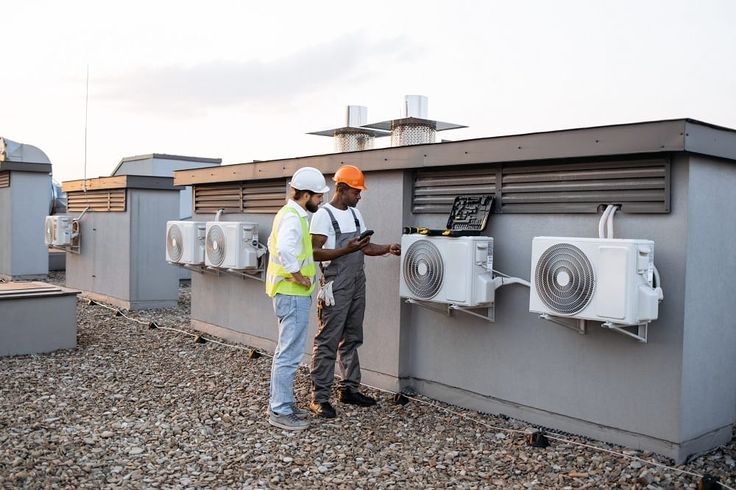
- HVAC electrification or upgrade timelines
- Lighting efficiency requirements
As a self-reliant, detail-oriented team, this is where CommercialGRP shines. We break down the technical items for our partners, helping them evaluate risks and uncover value in deals others might overlook.
3. Better Energy Profiles = Stronger Long-Term NOI
Regulations aren’t just about compliance—they’re about operational sustainability. Properties with efficient systems consistently reduce operating costs, improve tenant retention, and deliver stronger long-term returns.

How Retail Assets Are Impacted
Retail is evolving, and sustainability is influencing everything from tenant mix to operating expenses.
Landlords upgrading to efficient HVAC systems, modern lighting, and improved building shells are seeing:
- Lower CAM charges
- Better tenant retention
- Stronger small-business performance within communities
These improvements ultimately support our Core Focus: transforming communities and improving lives. Energy-efficient upgrades don’t just enhance buildings—they support the people who rely on them.
What This Means for Brokers
More than ever, brokers need partners who communicate clearly, act decisively, and stay ahead of regulatory shifts. That’s what drives my work every day.
Here’s how CommercialGRP supports you:
- Transparent communication: You always know where a deal stands and what we need.
- Motivated follow-through: If there’s a way to get the deal done, we find it.
- Detail-oriented underwriting: Our team proactively evaluates energy and compliance risks so you can present the strongest case to your clients.
- Integrity in every interaction: We say what we mean, and we stand by our commitments.
As new regulations reshape the Massachusetts market, having an aligned, informed partner becomes a competitive advantage—for you and your clients.

Let’s Build What’s Next—Together
These changes aren’t obstacles; they’re a roadmap to a stronger, more resilient commercial real estate landscape. And I’m here to help you navigate it.
Whether you’re evaluating an industrial property between 15K–120K SF, exploring a retail repositioning, or just want clarity on how new energy regulations affect your deals, let’s connect.
Reach out anytime—I’d love to collaborate, share insights, and help you win your next opportunity.