
How Supply Chain Reshoring Is Creating Opportunities for Industrial Investors
By Casey DiMascio, Broker Partnerships Lead at CommercialGRP
Over the past few years, one topic has come up frequently in conversations with brokers, investors, and operators across the country: supply chain reshoring.
Companies that once relied heavily on overseas manufacturing and long global logistics routes are now rethinking how their supply chains are structured. The goal is simple — greater reliability, shorter delivery times, and stronger operational control.
For commercial real estate, this shift is creating meaningful opportunities, particularly within the industrial sector.
At CommercialGRP, reshoring is one of the macro trends that continues to reinforce our investment strategy. It’s also one of the reasons we remain focused on acquiring well-located industrial assets that support long-term economic growth.

Why Reshoring Is Happening
Several factors are pushing companies to bring manufacturing and distribution closer to home.
Over the past decade — and especially since global disruptions during the pandemic — businesses have experienced the risks associated with long, complex supply chains. Shipping delays, geopolitical uncertainty, and rising transportation costs have made global sourcing less predictable.
As a result, many companies are expanding or relocating production and distribution facilities to North America. This process, often referred to as reshoring or nearshoring, creates new demand for industrial space across regional markets.
For investors and brokers, this shift is reshaping where and how industrial real estate demand develops.

Growing Demand for Flexible Industrial Space
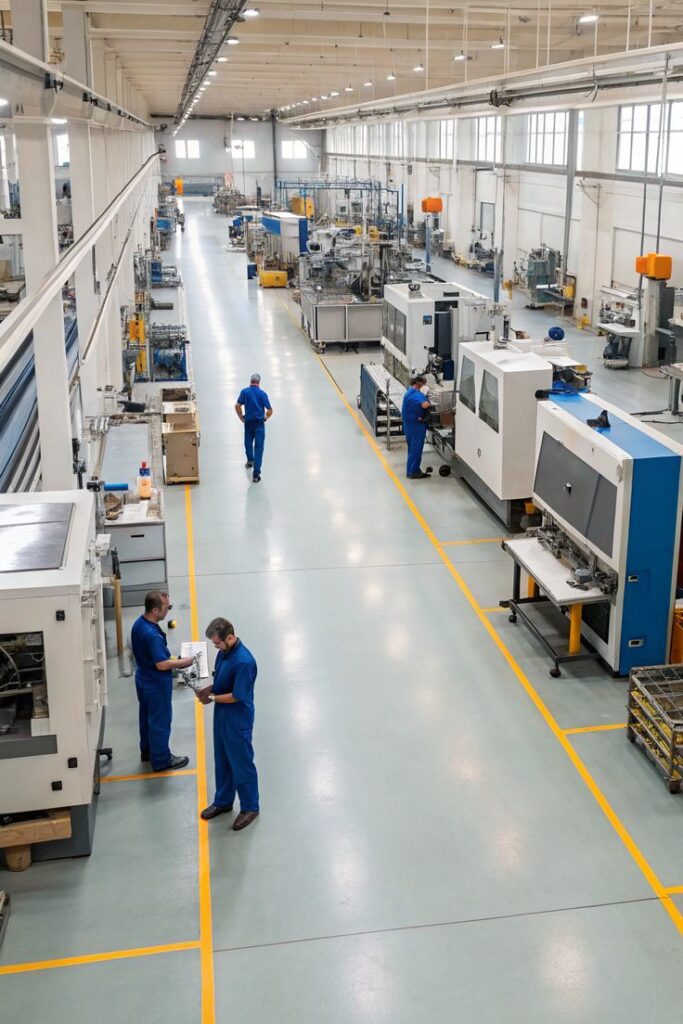
While large manufacturing facilities often capture headlines, much of the reshoring activity actually increases demand for mid-sized industrial buildings.
Companies need facilities that support:
- Regional distribution
- Light manufacturing or assembly
- Component storage and logistics
- Last-mile delivery operations
These uses frequently require properties within the 15,000 to 120,000 square foot range, which aligns closely with CommercialGRP’s acquisition focus.
Because this segment is essential to supply chain flexibility, demand for these properties tends to remain resilient across different market cycles.
Strategic Locations Matter More Than Ever
Another important aspect of reshoring is geography.
Companies relocating production or expanding domestic logistics operations are prioritizing markets with strong infrastructure, access to transportation corridors, and proximity to growing population centers.
These factors influence how we evaluate acquisition opportunities.
Our team looks closely at:
- Access to major highways and transportation hubs
- Local labor availability
- Regional economic growth patterns
- Existing industrial supply constraints
Strong fundamentals in these areas help ensure the properties we acquire remain competitive for tenants over the long term.

Partnerships With Brokers Drive Opportunity
One of the most valuable parts of my role is maintaining strong relationships with brokers across the markets we serve.
Brokers are often the first to see shifts in tenant demand and supply chain expansion within their local markets. Their insights help us identify opportunities early and evaluate properties more effectively.
At CommercialGRP, we work hard to be the kind of partner brokers can rely on — responsive, transparent, and detail-oriented throughout the transaction process.
This commitment to communication helps deals move efficiently while ensuring everyone involved understands the strategy behind the investment.

A Disciplined Investment Process
Even with strong demand drivers like reshoring, successful industrial investing still requires careful analysis.
Every acquisition must align with our structured evaluation framework, which focuses on identifying assets where thoughtful improvements and strong management can unlock long-term value.
If you’d like to learn more about the structure behind our investment decisions, our article Our Proven 3-Step Investment Process: Acquisition, Stabilization, Value Creation outlines the framework that guides every deal we pursue.

Investing in Growth That Benefits Communities
While reshoring creates new investment opportunities, it also generates meaningful economic activity.
Industrial facilities that support manufacturing, logistics, and distribution often bring jobs, strengthen supply chains, and contribute to local business growth.
Many of the properties we acquire involve underutilized assets that can be repositioned to serve these expanding industries. When done thoughtfully, those investments not only generate returns but also help revitalize important commercial corridors.
That connection between disciplined investing and community impact is central to our mission at CommercialGRP.

Let’s Build Opportunities Together
If you’re a broker seeing supply chain expansion or industrial opportunities in your market, I’d welcome the chance to connect and learn more about what you’re seeing on the ground.
And if you’re an investor interested in partnering on industrial real estate opportunities driven by long-term economic trends like reshoring, I’d be glad to start that conversation as well.
At CommercialGRP, the best investments begin with strong relationships — and those relationships start with a simple conversation.