
The Impact of E-Commerce Growth on Industrial Real Estate—and Why Investors Should Pay Attention
By Kyle Gibbons, Head of Acquisitions, CommercialGRP
Over the past decade, one of the most powerful forces shaping commercial real estate has been the continued growth of e-commerce.
While online retail has transformed how consumers shop, it has also fundamentally changed how goods move through supply chains. Behind every online order is a network of warehouses, fulfillment centers, and logistics facilities working to deliver products efficiently.
For investors, this shift has created a structural tailwind for industrial real estate — particularly well-located facilities that support distribution, storage, and last-mile delivery.
At CommercialGRP, understanding these market dynamics plays a central role in how we source and evaluate acquisitions.
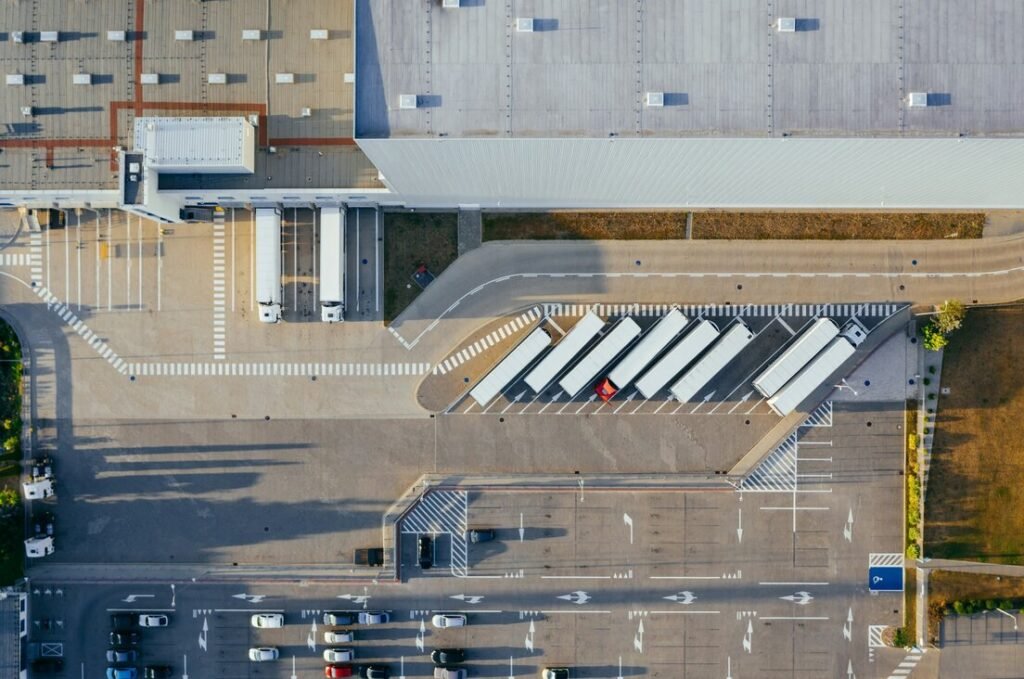
E-Commerce Is Reshaping Supply Chain Infrastructure
E-commerce businesses require significantly more logistics space than traditional retail models.
Online retailers must manage inventory storage, order processing, packaging, and returns — all of which require warehouse capacity. In many cases, companies also maintain multiple distribution points to reduce delivery times.
As consumer expectations for fast shipping continue to rise, companies are expanding their logistics footprints to bring inventory closer to population centers.
This shift is driving sustained demand for industrial facilities across a wide range of markets.

Why Mid-Sized Industrial Properties Are Particularly Attractive
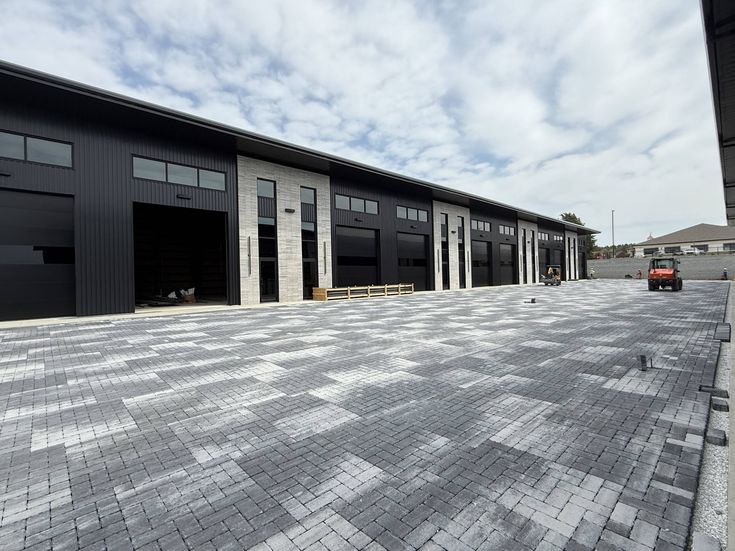
Much of the attention in the industrial sector focuses on massive distribution hubs. However, many e-commerce operations depend just as heavily on mid-sized industrial buildings that serve regional or last-mile functions.
At CommercialGRP, our buy box focuses on industrial and retail assets between 15,000 and 120,000 square feet — a segment that often plays a critical role in modern logistics networks.
These properties frequently serve:
- Regional distribution operations
- E-commerce fulfillment support
- Light manufacturing or assembly
- Service-based logistics businesses
Because this segment tends to receive less institutional competition than large-scale facilities, it often presents compelling opportunities for disciplined investors.
Demand Fundamentals Remain Strong
The long-term drivers supporting industrial demand remain firmly in place.
Several factors continue to strengthen the sector:
- Growth in online retail sales
- Expansion of third-party logistics providers
- Increasing consumer expectations for faster delivery
- Supply chain diversification and reshoring
Together, these trends reinforce the need for flexible, well-located industrial space across regional markets.
For investors, this demand stability is one of the key reasons industrial real estate has become a core asset class within many portfolios.
Disciplined Acquisition Still Matters
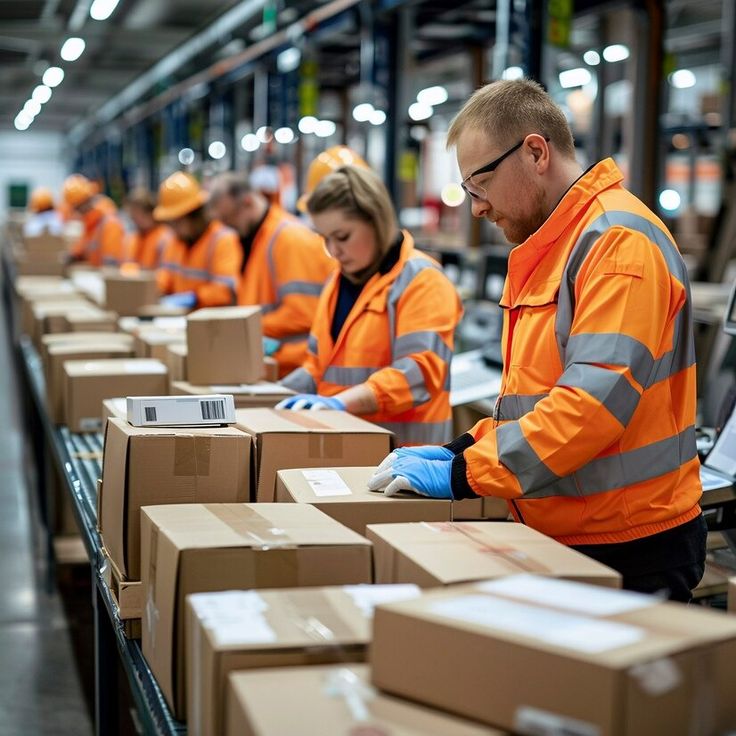
Strong demand does not eliminate the need for careful underwriting.
Our acquisition process focuses on identifying properties that offer clear potential for long-term value creation. That includes evaluating factors such as:
- Access to major transportation corridors
- Tenant demand within the local submarket
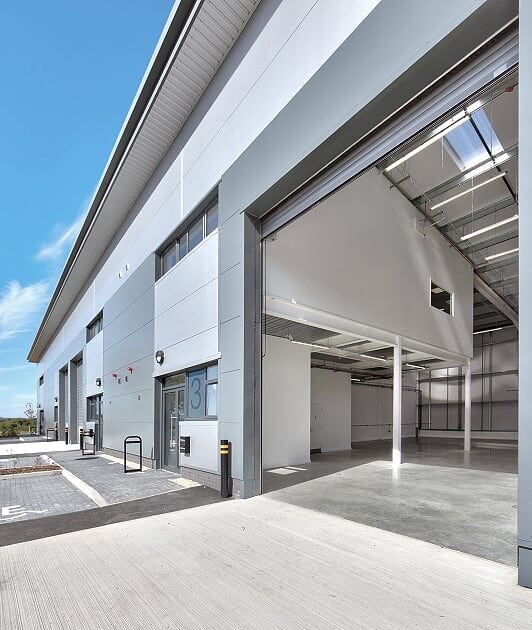
- Building functionality and adaptability
- Opportunities for operational or physical improvements
A structured framework helps ensure that each property we acquire not only fits our buy box but also supports long-term performance.
Data-Driven Insights Support Better Decisions
Understanding industrial demand requires more than simply reviewing historical trends.
Our team combines traditional market analysis with broader datasets that help identify emerging logistics patterns and growth corridors. This allows us to evaluate opportunities with greater precision and anticipate demand shifts before they fully materialize.
If you’re interested in how these insights guide our research process, our article Using Alternative Data to Identify Non-Traditional Industrial Opportunities explores this approach in greater detail.

Transparency Strengthens Investor Confidence
Industrial real estate continues to attract investors seeking stability, but strong communication remains essential.
At CommercialGRP, we prioritize keeping investors informed throughout every stage of the investment lifecycle — from acquisition analysis to stabilization and long-term performance.
Our commitment to transparency ensures that partners understand both the strategy behind each investment and the progress made along the way.
Investing in Growth That Supports Communities
While e-commerce demand has strengthened the industrial sector financially, its impact also extends beyond investment returns.
Well-positioned industrial facilities support local employment, enable regional businesses to operate efficiently, and strengthen supply chain infrastructure within growing communities.
By focusing on underutilized or repositionable assets, we aim to deliver investments that generate both strong financial outcomes and meaningful economic activity.
This alignment between disciplined investing and community improvement sits at the core of our mission.
Let’s Connect
If you’re an investor interested in opportunities within the industrial real estate sector, I would welcome the opportunity to connect and share how our team evaluates acquisitions and identifies long-term value.
At CommercialGRP, we believe that successful investments are built on disciplined analysis, transparent communication, and partnerships grounded in trust.