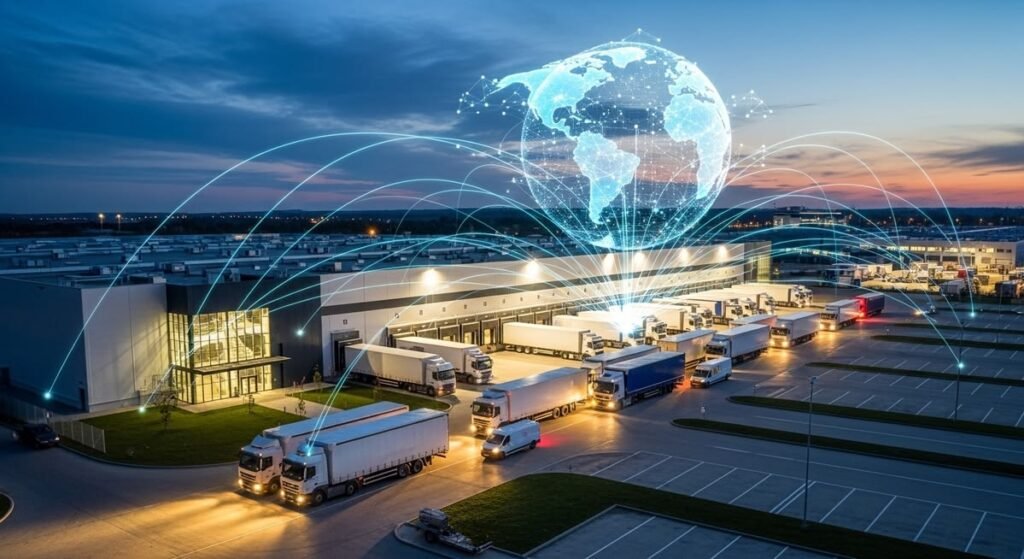
The Rise of Last-Mile Logistics and Its Impact on Investors
The way goods move from warehouses to consumers has changed dramatically. As e-commerce, same-day delivery, and customer expectations continue to evolve, the final leg of the supply chain—the last mile—has become one of the most important components of modern logistics.
For commercial real estate, this shift is creating new considerations around location, building functionality, tenant demand, and long-term property value. Industrial properties that can efficiently support last-mile operations may become increasingly relevant to investors looking for well-positioned assets.
At CommercialGRP, our focus on industrial properties in the 50,000 to 120,000 square foot range, along with select retail opportunities, gives us a practical perspective on how changing logistics patterns can influence real estate decisions. But identifying an attractive opportunity is about more than following a trend. It requires careful analysis, strong broker relationships, clear communication, and a disciplined approach to every transaction.

1. Why Last-Mile Logistics Matters
Last-mile logistics refers to the final stage of moving products from a distribution facility to the end customer. Although it represents only one part of the overall supply chain, it can have a significant impact on delivery speed, operating costs, and customer experience.
As consumers have become accustomed to faster delivery, businesses have had to reconsider where inventory is stored and how efficiently it can reach population centers.
This has increased attention on industrial properties located within reasonable proximity to dense residential areas, transportation infrastructure, and major commercial corridors.
For investors, that creates an important question:
Does a property have the physical and locational characteristics that could support changing logistics needs over time?
The answer requires more than simply identifying a building in a desirable market. It means looking closely at the property’s fundamentals and its relationship to the surrounding community.

2. Location Is Becoming Even More Important
For traditional industrial users, access to highways and regional transportation networks has always been important. For last-mile operations, proximity to the customer can be equally significant.
A strategically located facility may help businesses reduce delivery distances, improve route efficiency, and respond more effectively to consumer demand.
That can make certain infill industrial properties particularly interesting. Buildings that are relatively close to established population centers may offer functionality that cannot easily be replicated by new development farther from the customer base.
However, proximity alone does not make an industrial property a strong acquisition candidate.
Population density, transportation access, zoning, parking, loading capabilities, building configuration, labor availability, and surrounding land uses all need to be considered together.
At CommercialGRP, we believe market selection should be grounded in research and long-term fundamentals rather than simply reacting to the latest market trend. Our approach to evaluating industrial markets is discussed in greater detail in “How We Select Industrial Markets With Long-Term Growth Potential.”

3. Existing Industrial Properties Can Play an Important Role
The growth of last-mile logistics does not necessarily mean that every company needs a newly constructed distribution center.
Existing industrial buildings can provide valuable infrastructure in locations where developing new facilities may be difficult, expensive, or time-consuming.
Older properties may have challenges, but they can also contain characteristics that create potential value when evaluated carefully. Ceiling heights, loading access, parking, truck circulation, electrical capacity, building layout, and proximity to major roads can all influence how adaptable a property may be.
This is where attention to detail becomes particularly important.
An asset that initially appears outdated may have a strong underlying location and functional characteristics. Conversely, a property in a seemingly attractive market may have physical limitations that make it difficult to reposition.
The key is understanding the difference.
Rather than assuming that every underutilized industrial property represents an opportunity, we look at the entire picture—property condition, market fundamentals, tenant demand, potential uses, and the realistic path toward improvement.
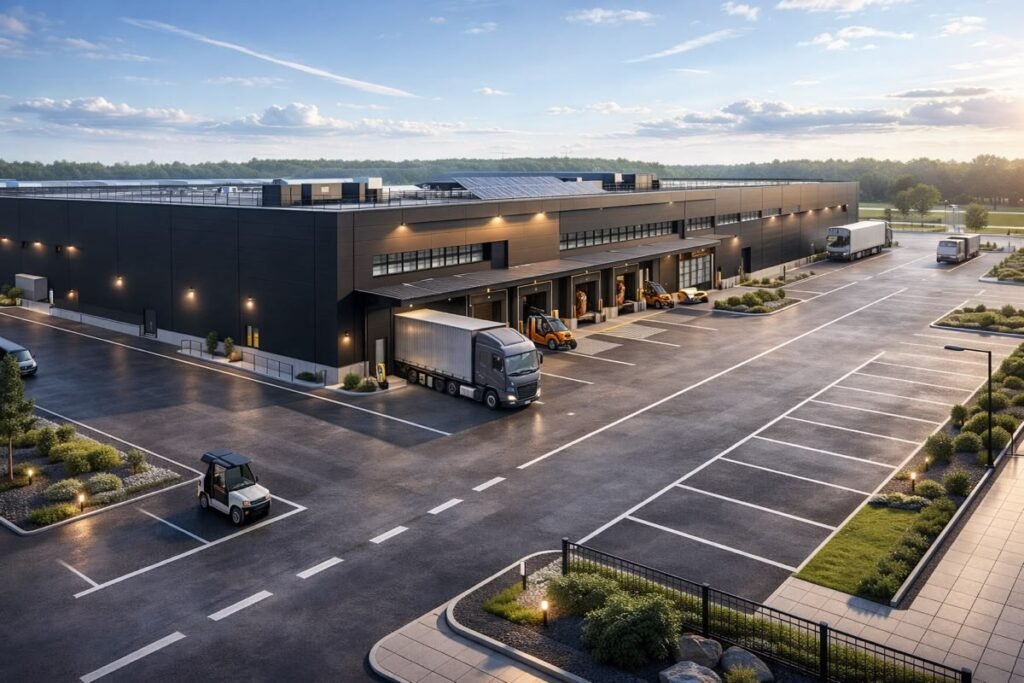
4. What Last-Mile Growth Can Mean for Investors
From an investment perspective, the rise of last-mile logistics can influence several aspects of an industrial property.
Tenant demand is one consideration. Businesses that require proximity to consumers may place greater value on strategically located facilities.
Lease durability is another. A property that serves an important operational function for a tenant may become an integral part of that company’s logistics network.
Property adaptability also matters. Buildings that can accommodate different industrial or distribution uses may have greater flexibility as tenant requirements change.
And finally, market positioning deserves attention. A property located in an established area with strong transportation access and nearby population centers may have characteristics that remain relevant even as logistics strategies evolve.
None of these factors guarantees a particular investment outcome. They are simply components that can help investors better understand the potential strengths and risks associated with an asset.
This is why disciplined underwriting and due diligence remain essential. At CommercialGRP, we believe the objective is not to acquire properties simply because a sector is growing. The objective is to identify properties whose fundamentals support a thoughtful, long-term business plan.

5. Brokers Are Essential to Identifying These Opportunities
Many of the most compelling industrial opportunities begin with a conversation.
Brokers are often among the first professionals to understand what is happening within a local market. They know which properties are coming available, which owners may be considering a transition, and which assets may have characteristics that are not immediately obvious from a listing.
That makes strong broker relationships particularly valuable in a changing logistics environment.
Our approach is built around excellent communication. We want brokers to understand what we are looking for, receive clear feedback when an opportunity is presented, and know where a conversation stands.
Just as importantly, we respect the broker’s role in the transaction.
A strong partnership is not about creating unnecessary complexity. It is about being responsive, prepared, transparent, and committed to moving qualified opportunities forward.
Sometimes an opportunity fits. Sometimes it does not. Either way, honest communication allows everyone to spend their time more effectively and strengthens the relationship for the next opportunity.

6. Last-Mile Trends Require Proactive Evaluation
The logistics landscape will continue to change.
Consumer expectations may evolve. Businesses may adjust their distribution strategies. Technology may change how inventory is managed. Transportation networks may shift. New development may alter the competitive landscape.
For investors, that means today’s attractive industrial property still needs to make sense within a broader, long-term framework.
At CommercialGRP, we emphasize self-sufficiency and attention to detail by taking a proactive approach to evaluating opportunities. That means asking questions early, identifying potential challenges, reviewing property information carefully, and communicating clearly throughout the process.
It also means knowing when additional expertise is needed. Real estate decisions can involve legal, tax, financing, environmental, zoning, and other considerations that should be reviewed with the appropriate qualified professionals.
The strongest investment decisions are rarely based on a single trend. They come from understanding how multiple factors work together.

7. Industrial Real Estate Is Connected to the Communities It Serves
The last-mile story is ultimately about more than logistics.
Industrial properties support businesses that move products, employ people, generate economic activity, and connect communities to broader regional and national markets.
When an underutilized industrial property is improved or repositioned for a productive use, the impact can extend beyond the building itself.
A stronger tenant base can contribute to local employment. Improved properties can enhance surrounding commercial areas. Better utilization of existing real estate can help communities make more productive use of the infrastructure they already have.
That perspective connects directly to CommercialGRP’s core focus: transforming communities and improving lives.
We believe commercial real estate can create meaningful impact when properties are evaluated not only for their financial characteristics, but also for how they fit into the communities around them.
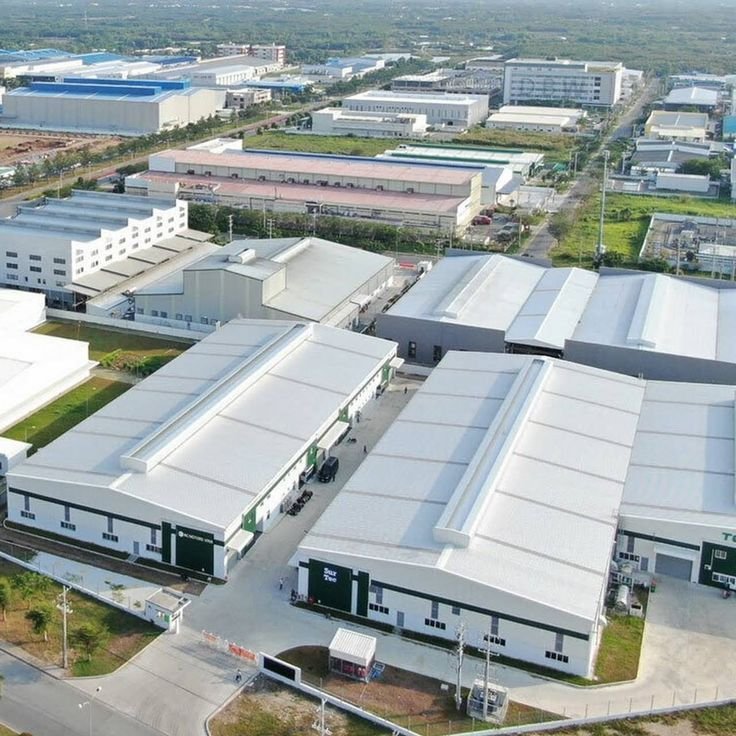
8. The Opportunity Is in Understanding What Comes Next
The rise of last-mile logistics is changing the way businesses think about industrial space—and it is changing the questions investors should ask about industrial properties.
For investors, the opportunity is not simply to follow the growth of e-commerce or delivery demand. It is to understand which properties are positioned to remain useful as logistics requirements evolve.
For brokers, it creates an opportunity to bring forward assets that may deserve a closer look because of their location, functionality, or potential adaptability.
For both, the foundation remains the same: strong relationships, transparent communication, careful analysis, and integrity throughout the process.
At CommercialGRP, we are committed to building partnerships that go beyond a single transaction. If you are a broker with a 50,000–120,000 SF industrial opportunity or a select retail property that may align with our focus, or an investor interested in connecting with a team that values communication, discipline, and long-term relationships, I would welcome the opportunity to start a conversation.
Together, we can look beyond the current trend, evaluate what makes an asset truly compelling, and pursue opportunities that have the potential to create lasting value for both investors and the communities they serve.
This article is provided for educational and informational purposes only and should not be considered legal, tax, financial, or investment advice. Readers should consult qualified professionals regarding their individual circumstances.