The Future of Industrial Real Estate: What Investors Should Expect in the Next 5–10 Years
Industrial real estate has evolved from a niche asset class into one of the most sought-after sectors in commercial real estate. But for investors looking ahead, the real question is: what comes next?
At CommercialGRP, we spend a significant amount of time not only evaluating current opportunities, but also understanding where the market is headed. The next 5–10 years will bring both challenges and opportunities — and the investors who stay informed and adaptable will be best positioned to benefit.
Continued Demand Driven by Structural Shifts
The growth of industrial real estate is not a short-term trend — it’s being driven by long-term structural changes.
Key factors shaping the future include:
Ongoing expansion of e-commerce
Supply chain diversification and reshoring
Increased demand for last-mile distribution
Growth in regional logistics hubs
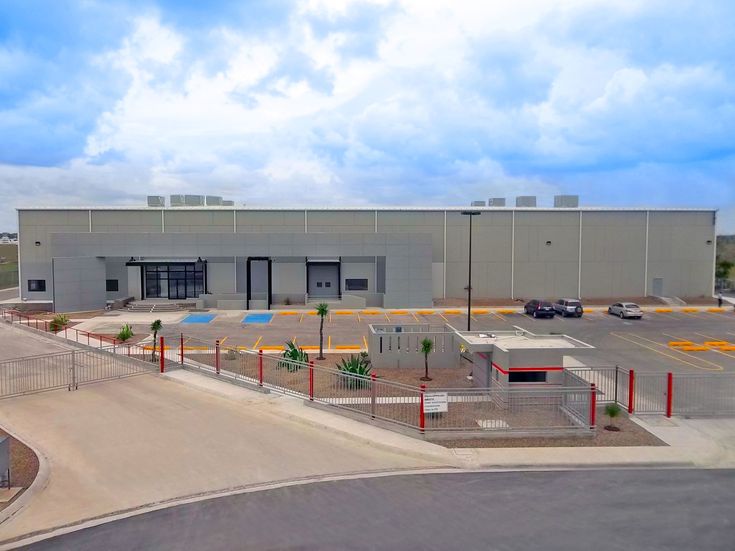
These trends continue to reinforce the need for well-located, functional industrial space — particularly in the 15,000 to 120,000 square foot range, where tenant demand remains strong and diverse.
While core industrial assets will remain attractive, competition for stabilized properties is likely to stay strong.
As a result, many investors will continue to shift toward value-add opportunities, including:
Repositioning underutilized or vacant properties
Enhancing building functionality
Improving leasing strategies
Increasing operational efficiency
These strategies require discipline and attention to detail — but they also create opportunities to generate meaningful returns while improving the underlying asset.
Over the next decade, data will play an even larger role in how investors evaluate markets and properties.
From tracking tenant demand to analyzing submarket trends, access to better data will allow investors to:
Identify opportunities earlier
Make more informed acquisition decisions
Manage risk more effectively
At the same time, technology will continue to improve how properties are managed and operated, increasing efficiency across the asset lifecycle.
Stability Remains a Key Advantage
Even as the market evolves, one of industrial real estate’s strongest attributes is its relative stability.
Compared to other asset classes, industrial properties often benefit from:
Consistent tenant demand
Lower volatility
Predictable income streams
This makes industrial real estate an important component of diversified portfolios, particularly during periods of economic uncertainty.
Aligning Investment With Community Impact
Looking ahead, investors are placing greater emphasis not only on returns, but also on impact.
Many industrial investments involve revitalizing underutilized properties — transforming them into productive spaces that support local businesses, job creation, and economic activity.
At CommercialGRP, this alignment between performance and purpose is central to how we approach every acquisition.
A Long-Term Perspective Matters
The next 5–10 years will reward investors who take a long-term, disciplined approach.
That means:
Staying focused on fundamentals rather than short-term trends
Building strong relationships with trusted partners
Maintaining transparency and clear communication
Remaining detail-oriented in every stage of the investment process
These principles don’t just help navigate change — they create a foundation for sustained success.
Let’s Build for the Future Together
If you’re an investor looking to position your portfolio for the future of industrial real estate, or a broker with opportunities that align with evolving market trends, we’d welcome the opportunity to connect.
At CommercialGRP, we’re committed to building strong partnerships, making thoughtful investment decisions, and creating value that extends beyond the property itself.